Read your spine
with confidence.
Clear, clinician-reviewed guides on how a scoliometer works, how to measure trunk rotation correctly, and what your numbers actually mean.
Everything you need, in the right order.
Start with the fundamentals, then move to interpretation, comparison, and the wider screening picture. Each guide is written for parents, patients, and first-time users — and reviewed by a clinician.
Foundations
01 – 03
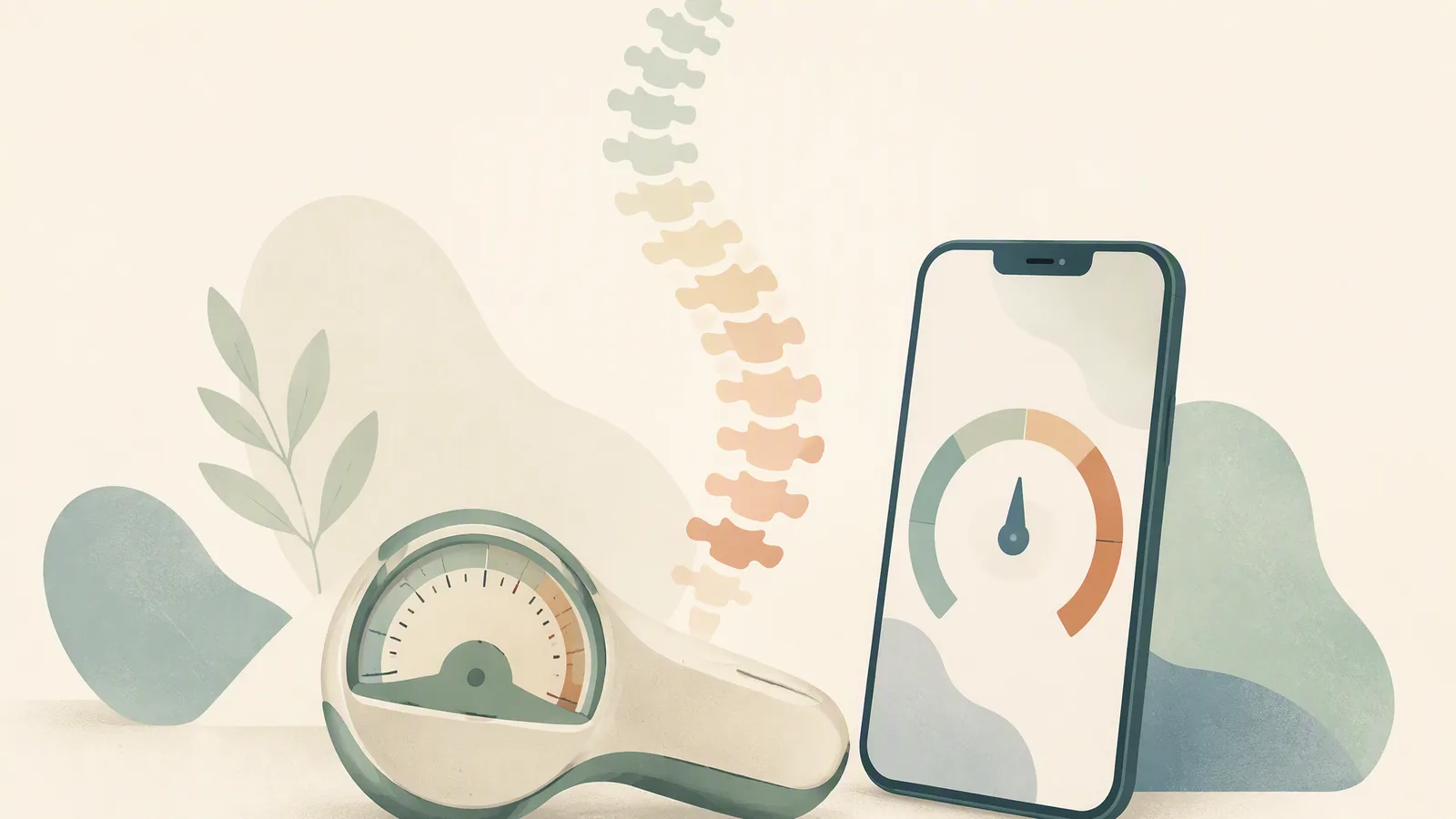 01
01What is a scoliometer & what does it measure?
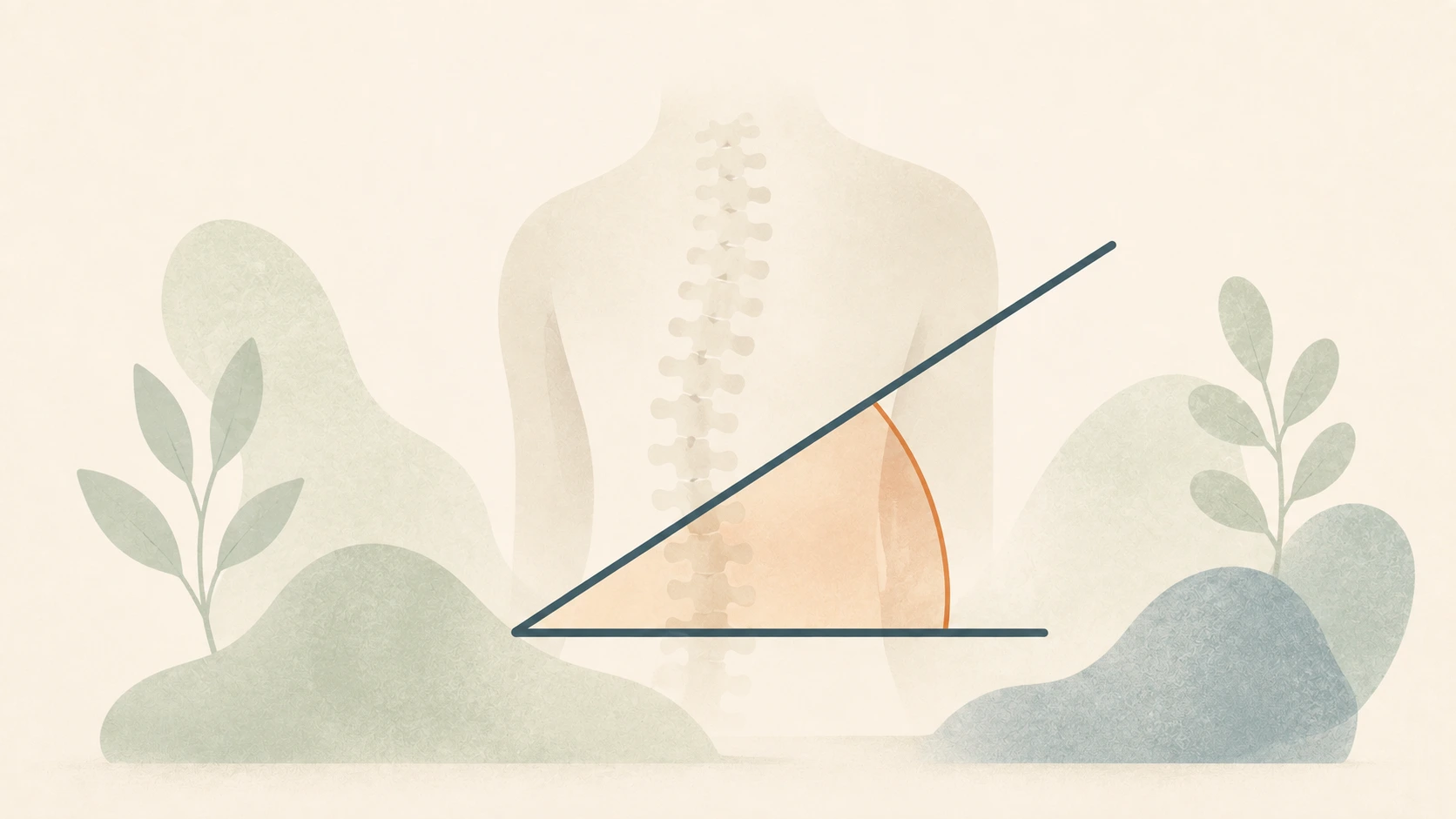
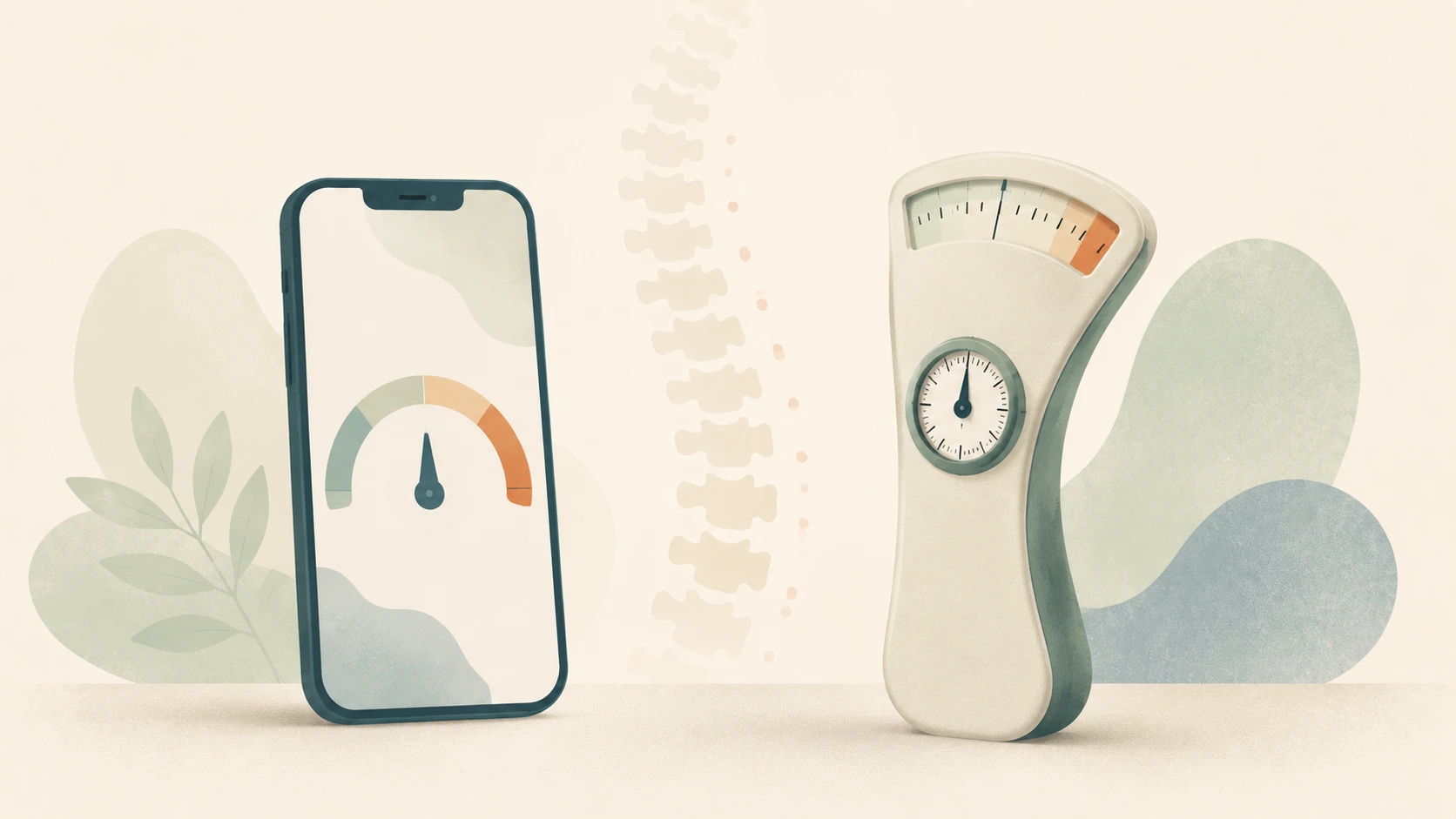
The instrument, the Angle of Trunk Rotation it captures, and how digital and physical scoliometers differ from a Cobb angle.
Best place to startRead the guide
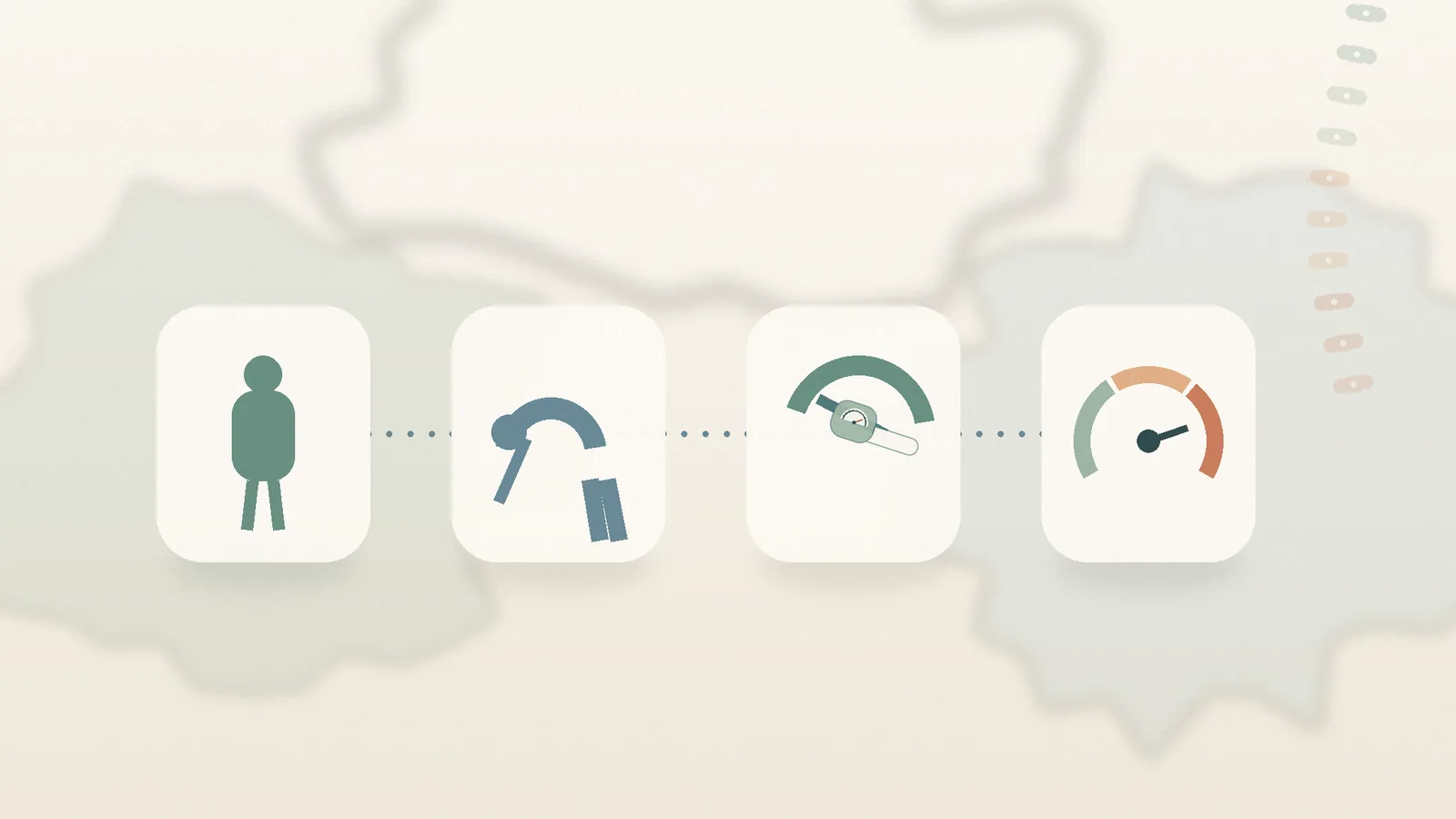

Comparative analysis
04 – 05
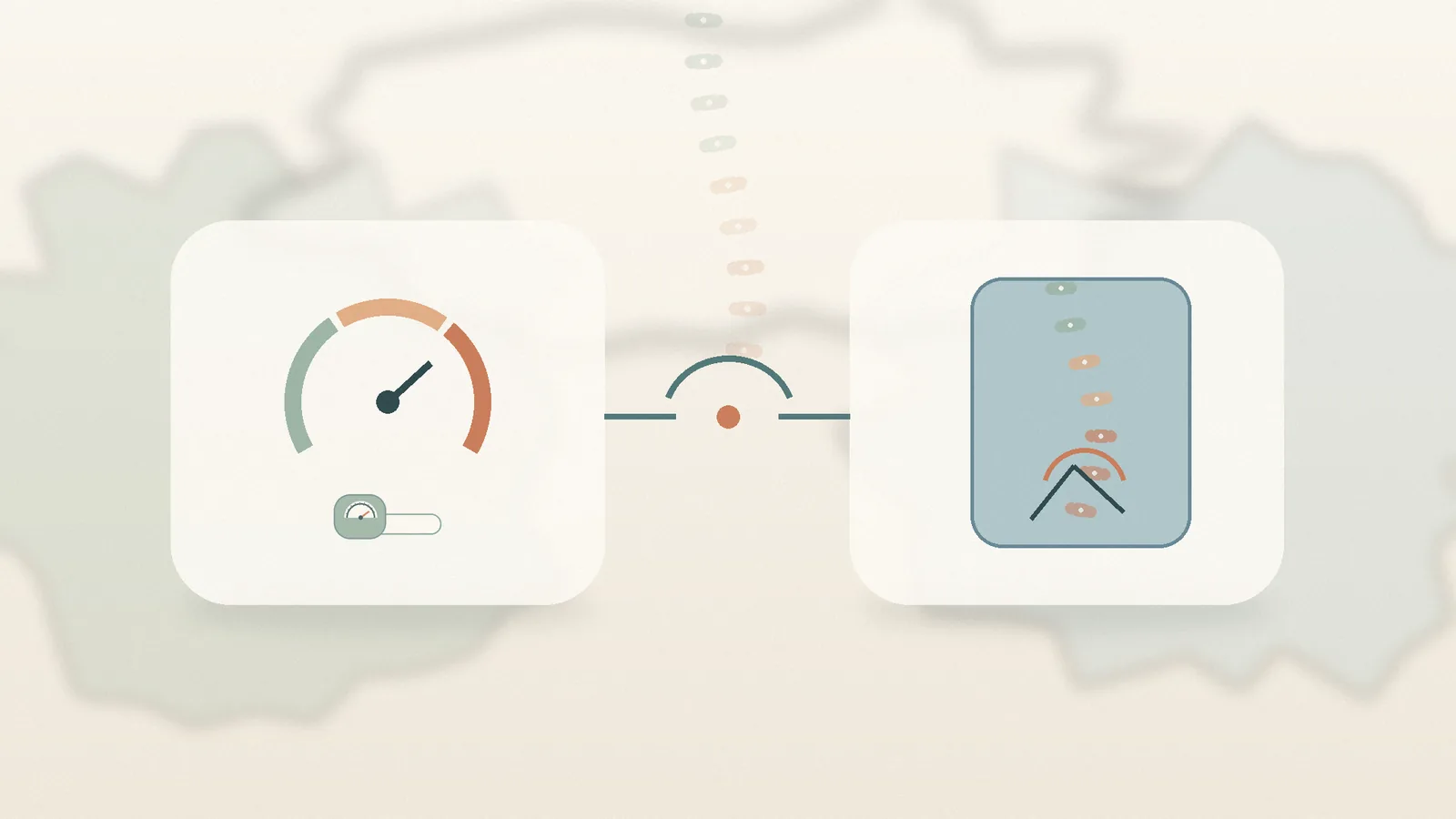

Screening in context
06 – 14
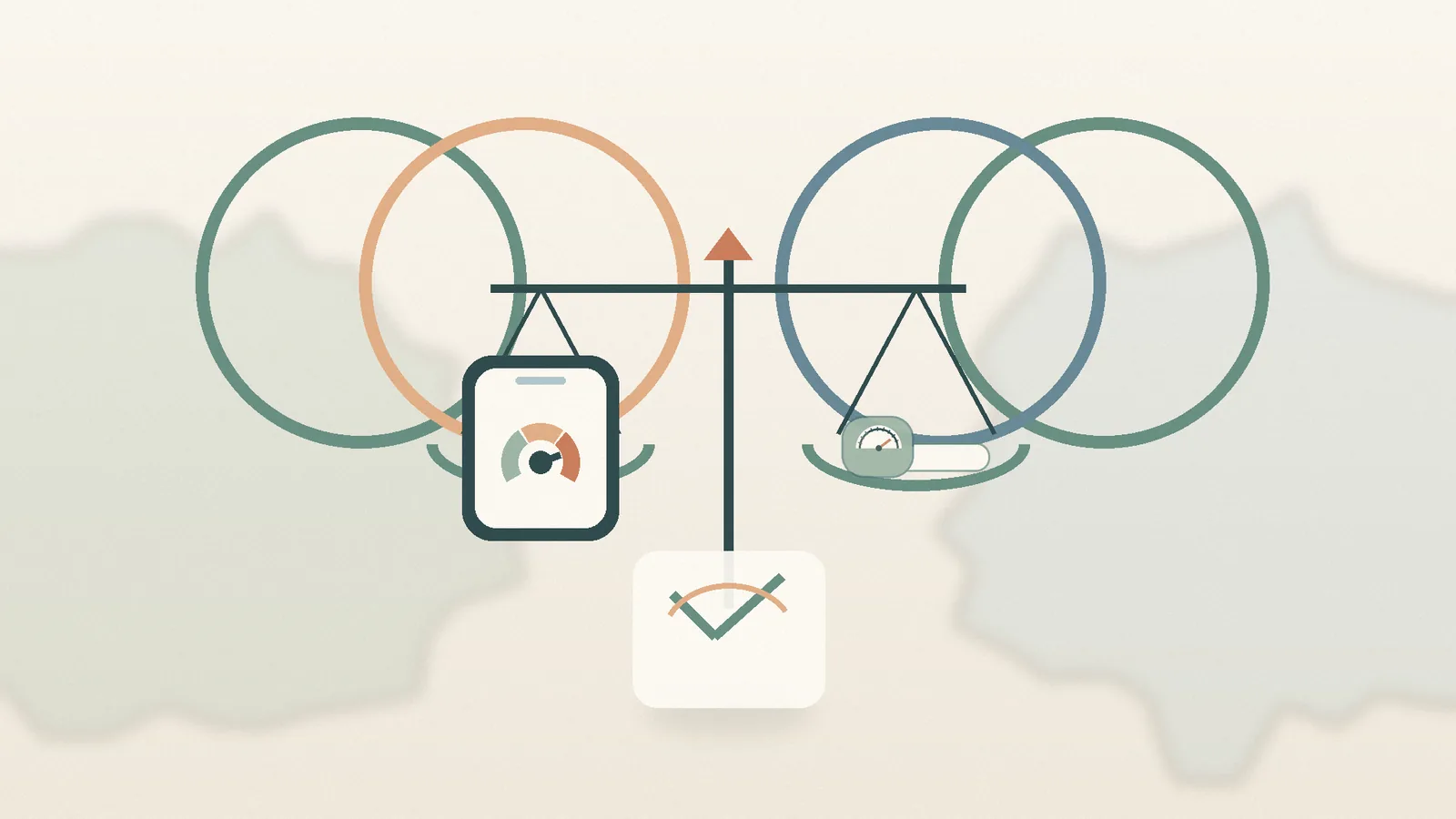




What the numbers mean
Measured in degrees of trunk rotation. Screening only — not a diagnosis.
Typically routine. Keep monitoring at regular intervals to establish a baseline.
Re-measure carefully and watch the trend. A borderline number is a prompt to track, not to panic.
Commonly the threshold for professional evaluation. An increase of 2° or more between checks also warrants review.
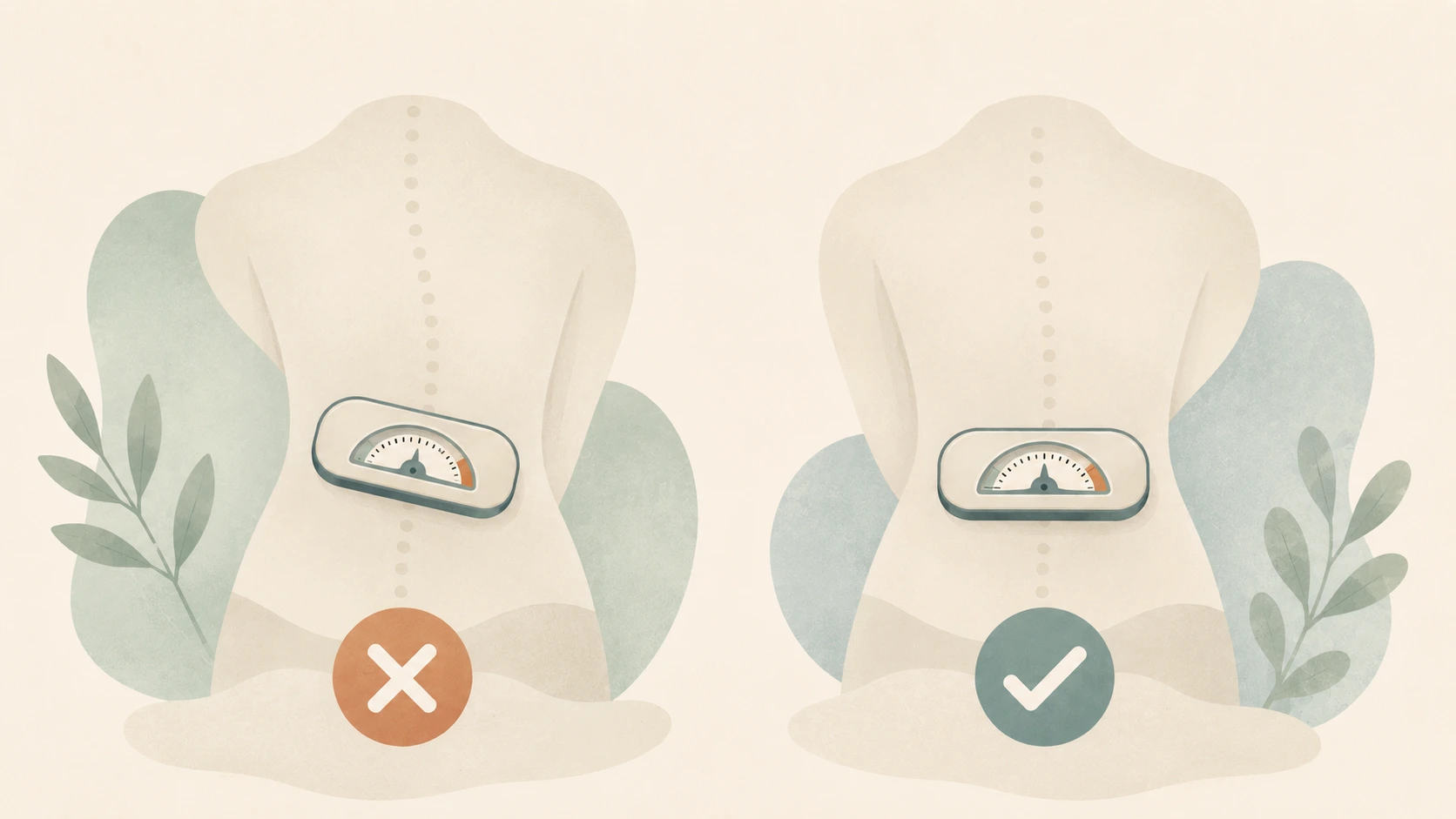
A scoliometer measures trunk rotation only. It cannot on its own confirm or exclude scoliosis — use these bands to decide when to seek a professional assessment.
Put the guide into practice.
The Scoliometer app turns your phone into a screening instrument — measure trunk rotation, log every reading, and watch the trend over time.